Mental health plays an essential role in overall well-being, yet many people hesitate to seek support when they face emotional challenges. Daily stress, relationship conflicts, work pressure, and unexpected life changes can affect how individuals think, feel, and behave. When these issues build up over time, they can lead to anxiety, frustration, or emotional exhaustion. Seeking counseling offers a constructive way to address these concerns and move toward a healthier and more balanced life. Professional guidance provides individuals with the opportunity to understand their emotions, gain new perspectives, and develop practical coping strategies.
The Importance of Mental Health Support
Many individuals try to manage their emotional struggles on their own. While personal resilience is valuable, there are times when outside support becomes necessary. Counseling provides a safe environment where people can discuss their thoughts and feelings without fear of judgment. This supportive space allows individuals to openly express concerns that they might otherwise keep hidden.
One of the key aspects of counseling is the use of structured methods that help individuals explore their emotions and behavioral patterns. Through conversations and guided reflection, clients can identify the underlying causes of stress or emotional discomfort. This process often leads to greater self-awareness and a clearer understanding of personal challenges. When people better understand what affects their mental health, they are more prepared to make positive changes in their lives.
How Therapy Encourages Emotional Awareness
A major benefit of therapy is the development of emotional awareness. Many people experience emotions without fully understanding why they feel a certain way. Professional counseling helps individuals recognize these feelings and connect them with specific experiences or thoughts. This deeper understanding allows people to respond to situations more thoughtfully rather than reacting impulsively.
During sessions, individuals learn to examine patterns in their thinking and behavior. For example, someone struggling with constant worry may begin to notice how certain thoughts trigger anxiety. Recognizing these patterns allows them to gradually shift their mindset and develop healthier responses. Over time, this process improves emotional stability and confidence in handling difficult situations, and in some cases people may also explore supportive options such as an ashwagandha supplement as part of a broader wellness routine.
Building Practical Coping Skills
Another reason counseling is considered a positive step toward mental health is the development of practical coping skills. Life often presents unexpected challenges such as job stress, relationship difficulties, or personal loss. Without effective coping strategies, these experiences can feel overwhelming.
Counselors work with individuals to introduce tools that help manage stress and emotional pressure. These techniques may include mindfulness practices, communication strategies, or structured problem-solving approaches. Learning these skills enables individuals to approach challenges with greater clarity and resilience.
The goal of counseling is not simply to talk about problems but to help individuals build lasting strategies that support emotional well-being. As people apply these techniques in their daily lives, they often find themselves better equipped to handle future challenges.
Strengthening Relationships and Communication
Having good ties with family, partners, and coworkers is important for mental health. When emotional stress goes unresolved, communication difficulties and misunderstandings can arise. Counseling helps individuals develop stronger communication skills and healthier ways of expressing emotions.
Through guided discussions, individuals learn how to listen more effectively, express concerns calmly, and approach conflicts with empathy. These improvements often strengthen personal relationships and create a more supportive environment at home and in the workplace. As relationships improve, individuals frequently experience a greater sense of stability and emotional support.
Promoting Long-Term Personal Growth
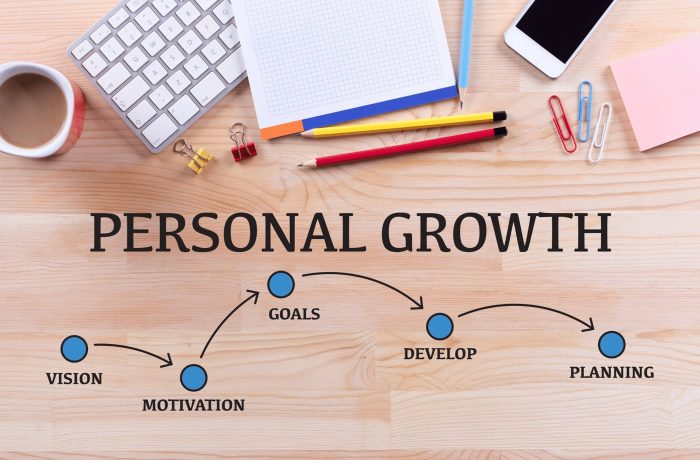
Seeking counseling is not only about addressing immediate challenges but also about encouraging long-term personal growth. The insights gained during counseling sessions often help individuals understand their values, priorities, and goals more clearly. This clarity allows them to make decisions that align with their well-being and personal development.
Many people who begin counseling to address a specific concern later discover that the process helps them grow in other areas of life as well. Increased self-awareness, improved emotional regulation, and stronger coping skills contribute to overall personal growth.
Conclusion
Choosing to seek counseling is a meaningful step toward improving mental health. It provides individuals with a supportive space to explore emotions, understand personal challenges, and develop practical skills for managing life’s difficulties. Through counseling, people gain valuable insight into their thoughts and behaviors while building healthier ways to respond to stress and change. By taking this step, individuals move closer to a more balanced, confident, and emotionally resilient life.