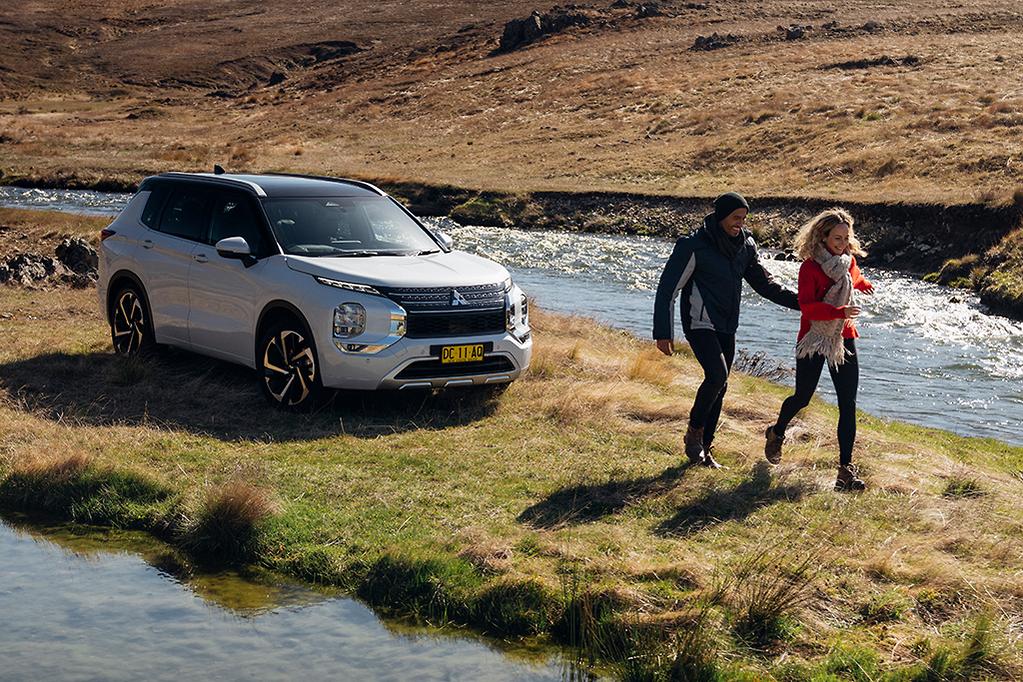
Choosing a family vehicle for Perth travel sounds simple enough, until you start juggling school bags, prams, icy eskies, sandy feet, and the odd soccer boot that seems to live under the back seat forever. Then it becomes a proper puzzle. Perth has its own rhythm too. One minute you are cruising along smooth city roads, the next you are heading out towards the coast, down to Margaret River, or inland where the distances stretch out a bit and the fuel gauge starts looking a tad too serious.
That is where the right vehicle makes all the difference. Not just any vehicle, either. Family travel needs room, comfort, safety, and enough practicality to stop everyone from turning grumpy halfway through the trip. A good choice can make a day out feel easy. A poor one can have everyone asking, “Are we there yet?” before you have even left the suburb.
Start with the kind of trip you actually take
Before getting swept up by shiny features and fancy trim levels, think about what your family travel looks like most of the time. Short school runs across Perth? Weekend beach trips to Cottesloe or Scarborough? Longer drives out to the South West? Each one asks for something a little different.
If most journeys stay within the city, a mid-sized SUV or a spacious hatchback could be plenty. They are easier to park, simpler to handle, and often lighter on fuel. If the family likes to pack the car to the roof for road trips, an SUV with proper boot space starts looking very appealing. For larger families or those travelling with cousins, grandparents, or half the neighbourhood, a seven-seater may be the calmer option.
Perth roads are generally straightforward, but summer heat, weekend traffic, and long open stretches can wear on everyone. A vehicle that feels comfortable after an hour behind the wheel is worth far more than one with a flashy badge and no elbow room.
Space matters more than people think
Families tend to underestimate how much room they need. Then they go away for the weekend and suddenly every pocket is full of snacks, someone’s teddy is under the seat, and there is a beach umbrella wedged beside the booster seat.
Look closely at legroom, boot space, and seating layout. A vehicle might technically seat five or seven, but if the third row feels like a punishment, it is not really family-friendly. The same goes for boots that shrink once the pram or cooler box goes in. A car that feels roomy on a quick test can seem smaller once real-life clutter arrives.
Families in Australia often carry a lot with them. Water bottles, hats, sunscreen, spare clothes, surfboards, groceries, and the odd emergency toy to stop a tantrum in the car park. Space is not a luxury in that case. It is survival.
Comfort keeps the peace
Long drives and uncomfortable seats are a dreadful combination. No one wants a back-seat chorus of sighs, complaints, and “my leg is touching his leg” after twenty minutes on the road.
When choosing a vehicle, pay attention to seat support, air conditioning, and cabin layout. Rear air vents can be a small blessing on warm Perth days. Adjustable seats and easy access to charging ports help too, especially when tablets, phones, or little gadgets are part of the travel routine. A smooth ride makes a family feel less rattled, which is handy when someone in the back has already dropped a packet of biscuits.
Noise levels matter as well. A quieter cabin means fewer raised voices and a better chance of hearing whatever playlist has become the unofficial soundtrack of the trip.
Safety is never just a box-ticking exercise
Family travel and safety go hand in hand. It is the sort of thing parents scan for almost instinctively, usually while pretending to be relaxed. The basics matter: airbags, stability control, reversing camera, parking sensors, and proper child seat anchors. A vehicle with a strong safety rating offers a bit more peace of mind when the roads get busy or the kids are squirming in the back.
For parents with younger children, check how easy it is to fit child seats and booster seats. Some vehicles make it feel like a quick task. Others make it feel like a battle with bits of plastic and impossible angles. Easy access can save a fair bit of stress, especially when you are rushing out the door with one shoe on and a half-eaten banana in hand.
When comparing options, safety should sit near the top of the list, right alongside comfort and space. A family car needs to carry more than people. It carries trust.
Think about fuel use and running costs
Perth families often cover more ground than they realise. School drop-offs, sport, errands, visits to relatives, then the occasional escape to the coast or countryside. That adds up quickly. A vehicle with sensible fuel use can save a decent amount over time, especially if it is being used every day.
Smaller SUVs and efficient petrol models tend to suit city and suburban driving. Diesel options can work well for longer trips and heavier loads, though they are not always the best fit for short, stop-start use. It comes down to how the car will spend its life, not just how it looks in the driveway.
Running costs also include tyres, servicing, insurance, and any extras you might need. A bigger vehicle can be brilliant for family life, but if it drinks fuel like a teenager at a free buffet, the charm wears off quickly.
Match the vehicle to the age of the kids
This bit gets overlooked a lot. A vehicle that suits a family with teenagers may be wildly different from one that suits toddlers and baby seats. Younger children need easier access, more storage, and practical interiors that handle spills without sending everyone into a panic. Teenagers, on the other hand, often want space, charging points, and enough personal room to stop the back seat becoming a minor diplomatic crisis.
If there are prams, high chairs, or nappy bags in the mix, boot access matters a great deal. A low, wide boot is often easier than a narrow, awkward one. Sliding doors can be a lifesaver for some families too, especially in tighter parking spots around Perth shopping centres or schools.
For anyone searching for SUV hire near me while planning a family trip, it helps to think beyond the badge and focus on how the vehicle will actually work day to day. That small detail can make the whole experience smoother.
Consider where you will be driving
Perth gives families a bit of everything. City traffic, coastal roads, suburban sprawl, and longer stretches heading out of town. That variety affects which vehicle feels right.
An SUV suits families who want a higher driving position and more confidence on longer trips. It also handles rougher road surfaces and holiday packing with less fuss. A smaller wagon or crossover may be easier for urban driving and parking near busy beaches or cafes. If the plan includes gravel roads, camping gear, or the occasional detour, a bit of extra clearance can be useful.
There is no perfect vehicle for every family, which is a shame, but also what keeps the decision interesting. The trick is picking the one that fits your usual routine, not the one that only looks impressive for the first ten minutes.
Make sure the driving position feels right
It sounds minor, but it is not. The driving position can change everything. A seat that feels awkward after twenty minutes becomes a real nuisance on a two-hour trip. Check visibility, mirror placement, steering feel, and how easy it is to get in and out. Parents who spend half the day lifting car seats or loading shopping bags will notice these things quickly.
Also think about who will be driving most often. Some vehicles are lovely on the open road but feel like a chore in tight streets or small car parks. Others are easy to manoeuvre but a bit cramped for longer drives. A family vehicle works best when it feels natural from the driver’s seat and tolerable from every other seat too.
A few final pointers before deciding
Try to imagine a normal week, not just a holiday. School pickups, shopping runs, weekend sport, and a late dash for milk. That is the real test. If the vehicle handles that lot with grace, it will probably cope with the fun stuff as well.
It also helps to take the whole family along when possible. Children, especially, have a habit of noticing things adults miss. One child may love the space. Another may immediately complain about the seat angle. Annoying, yes, but occasionally useful.
At the end of the day, the right family vehicle for Perth is the one that makes life easier, not more complicated. Enough room, sensible running costs, proper safety features, and a bit of comfort go a long way. Get those pieces right and the road ahead feels much less like a chore and more like part of the adventure.