
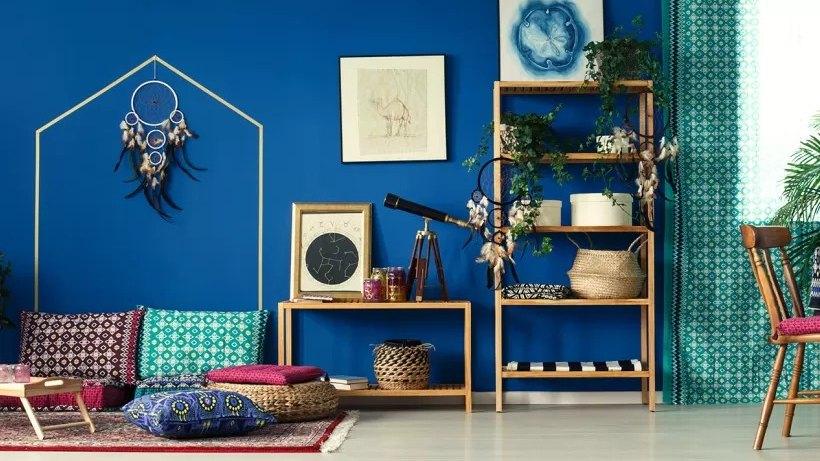
A plain wall can look different with a textured finish, especially behind a sofa, around a dining area or along an otherwise empty hallway. But choosing a design is only one part of the job. Before applying texture paints, check whether the wall is dry, repair any cracks, and find out if the existing surface needs sanding or primer.
The room’s lighting is essential, as raised patterns and rough finishes can look more pronounced under direct light than they do on a sample card. Thus, before settling on the texture or picking up the tools, let us learn about fixing any issues that could affect the application:
How Should You Prepare Walls Before Texture Paint Application?
First, look carefully at the wall before you apply texture paint. Then, adequate preparation can help the finish look better and prevent problems later.
Clean the Surface Thoroughly
Walls collect more dust and grime than you might notice, especially around switches, windows and furniture. Clean off the dirt, remove any loose paint and let the surface dry fully. If the wall is still damp or has a layer of dust on it, the texture may not stick properly and could begin to peel.
Repair Cracks and Uneven Areas
Small cracks, nail holes and dents need attention before you start painting. Fill them with a suitable wall filler, then sand the repaired spots once they are dry. Run your hand over the surface to feel for any rough spots that will show through the finish. If you notice damp patches or persistent mould, first tackle the moisture problem. Applying texture paint over these areas will only cover the signs temporarily, not fix the cause.
Apply Primer if Required
Depending on the existing wall finish and the texture product, a compatible primer may be needed. Check the manufacturer’s instructions before applying it. This is also a good time to consider the final design. For example, if you’re planning a wall colour combination for hall with a textured accent wall, test the texture and colour together first.
How Do You Choose the Right Texture Paint for Interior Walls?
The right texture paint depends on the look you want, the room where it will be applied and how much maintenance the finish may need.
- Look at the effect you want to create. Fine, sand-like textures give walls a subtle finish, while concrete-inspired designs or pronounced patterns make a stronger visual statement. A sample can help you judge the difference before choosing.
- Think about the room’s purpose. A textured wall behind the living room sofa can become a focal point. In a bedroom, a softer finish may suit the quieter setting better. Kitchens and busy passageways need finishes that can handle everyday cleaning.
- Think about the size of the wall and the light you have. Heavy patterns can be a main focus in a small room, especially if placed under direct light. Similarly, lighter colours and finer textures may be easier for compact spaces.
- Refer to the product’s application and care instructions. Some finishes need special tools or expert application to achieve the desired pattern. Ask about drying time, cleaning methods and repair requirements before making your choice.
- Match the texture with existing décor. Flooring, furniture and curtains impact how the finished wall looks. A small test patch can help you see whether the texture and colour work together in your home.
What Factors Affect the Final Look of Texture Paints?
The final effect of the texture paint is determined by the wall itself, the lighting in the room, the colour you choose and the technique you use while applying it.
Lighting and wall location
Light can change the appearance of a textured surface throughout the day. If the raised pattern is exposed to direct sunlight, it will cast shadows that are visible, enhancing the effect of the finish. In rooms with softer lighting, the same texture might look more subtle. Check a sample in both daylight and under your regular evening lights before settling on a design.
Colour and Room Size
The colour you choose affects how much attention the textured wall attracts. Lighter shades can keep compact rooms feeling open, while deep blue, olive green or terracotta can create a stronger focal point. In a small living room, a fine texture on one wall may be enough. Covering every wall with a bold pattern can make the space feel visually crowded.
Furniture and Existing Décor
Look at the furniture and décor you already have before settling on a texture. Wooden furniture, beige sofas and earthy fabrics tend to work well with subtle, natural-looking finishes. Concrete-inspired textures can look good with simpler furniture and clean lines. Check the flooring and curtains, too. A texture that looks appealing on its own might feel out of place once everything is in the room.
Application Technique
The same texture can look quite different depending on how it is applied. The tools, pressure and strokes used can affect the final pattern, so following the product instructions matters. If you’ve chosen an intricate design or a specialised finish, getting a professional to apply it can help achieve the look you had in mind.
Conclusion
Texture paints can give a plain wall a whole new look, but choosing a design is only the starting point. Look at the wall, try samples in your room and think about how the finish will work with your lighting and furniture. If planned and executed properly, you are able to design a feature that adds interest to your interiors without overwhelming the space.