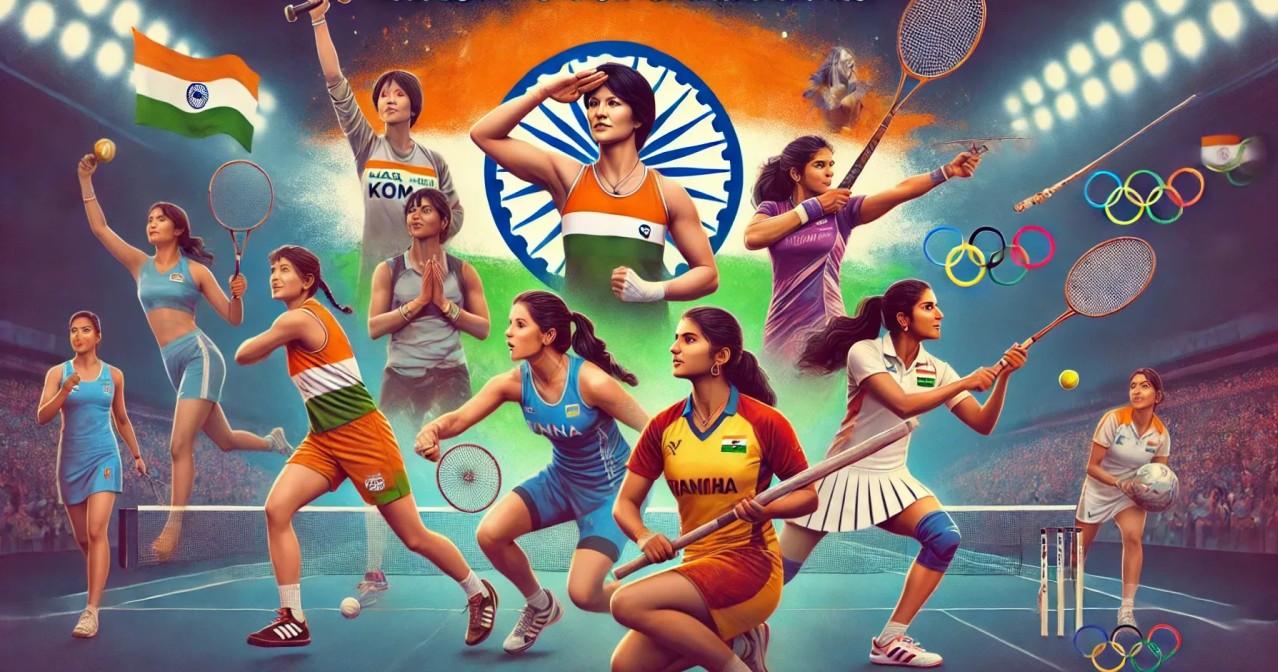
Villages with wrestling pits older than most nations. Bull-taming festivals drawing thousands. Olympic medals that took decades to show up. India’s sporting story runs deeper than cricket scores — it’s built on regional traditions that shaped an entire athletic identity.
India Gold: The Long Road to Olympic Glory
India’s Olympic medal count doesn’t look like much on paper. Not compared to sporting giants, anyway. But every medal tells a story rooted in regional sport — not some top-down program dreamed up in a boardroom. Neeraj Chopra’s javelin gold at Tokyo? Not an accident. It came out of a wrestling-and-athletics culture in Haryana that’s been producing tough, disciplined athletes for generations.
Anyone wanting more ways to follow Indian sports and international competitions might want to check out dbbet, which offers additional options for staying engaged with the action.
Abhinav Bindra’s shooting gold in Beijing. The hockey bronze in Tokyo. Different sports, same underlying pattern. These athletes came up through systems tied to specific regions, specific communities, specific traditions of physical toughness passed down for generations. Villages in Haryana, Punjab, Maharashtra have quietly built the pipeline that eventually produces Olympic contenders.
Olympic Medal Progression:
| Year | Total Medals | Gold | Regional Roots |
| 2008 Beijing | 3 | 1 | Wrestling, shooting |
| 2012 London | 6 | 0 | Wrestling, boxing |
| 2016 Rio | 2 | 0 | Wrestling, badminton |
| 2020 Tokyo | 7 | 1 | Javelin, wrestling |
| Next target | 15+ | 3+ | Broader base |
Government schemes like Khelo India try to formalize what villages have done informally for decades — spot raw talent early, give it real support. Money alone doesn’t build champions. It’s the culture underneath that actually does that.
Indian National Sports: Hockey’s Legacy, Kabaddi’s Rise
Field hockey once made India untouchable. Eight Olympic golds between 1928 and 1980. A run so dominant it’s hard to picture now. Dhyan Chand’s stick work earned him comparisons to a magician, and a whole generation grew up wanting to play like him.
Then the golds stopped. Infrastructure issues, shifting global competition, other sports pulling attention and funding away. Hockey never fully vanished though. That Tokyo bronze hinted at something building again — especially in Punjab, Haryana, Odisha, states where the sport never lost its grip locally.
Kabaddi’s story is different entirely. Ancient game, practically ignored on the world stage for decades. Then the Pro Kabaddi League launched in 2014, and everything shifted. Corporate sponsors showed up. TV deals followed. A rural pastime turned into a legitimate professional product almost overnight.
National Sports Snapshot:
- Hockey’s Olympic golds remain India’s most storied sporting legacy
- Kabaddi World Cup wins show continued dominance in the sport globally
- Pro Kabaddi League turned a village game into serious business
- Recent hockey bronze signals a possible return to relevance
- Regional academies keep feeding both sports with fresh talent
What kabaddi proved matters here — traditional sports can go professional, generate real money, pull in real audiences. Not every regional game gets that shot. But it shows the ceiling exists.
Regional Sports of India: A Living Archive
Regional sports of india stretch across hundreds of traditions, and honestly, most outsiders never hear about any of them. Kerala has kalaripayattu. Punjab has gatka. Manipur has yubi lakpi — a rugby-like game most Indians outside the state have never even seen played. Tamil Nadu has jallikattu, the bull-taming tradition that draws massive, controversial crowds every year.
Wrestling might be the most widespread of all. Kushti, pehlwani — whatever name a region uses. Akharas exist almost everywhere, and they’ve quietly produced Olympic medalists and world champions for decades. Haryana and Punjab especially have wrestling schools that function like institutions, not gyms.
For those looking beyond sports for other forms of entertainment, wekawin offers additional options worth checking out.
Kho-kho is having its own moment now. The Ultimate Kho Kho league launched recently, clearly borrowing the Pro Kabaddi playbook. Whether it works remains to be seen. But the attempt itself says something — India’s traditional games have commercial potential barely tapped so far.
Notable Regional Traditions:
- Wrestling akharas across Haryana, Punjab produce steady Olympic contenders
- Kalaripayattu in Kerala represents one of the world’s oldest martial arts
- Mallakhamb blends gymnastics with pole wrestling in Maharashtra
- Silambam features bamboo staff fighting rooted in Tamil Nadu
- Gatka preserves Sikh martial tradition through competitive practice
Indian Sports: Where the Money and Momentum Are Now
Indian sports changed shape once the IPL proved cricket could be a genuine business — not just a national obsession. That model, franchises, star power, aggressive marketing, got copied everywhere. Kabaddi did it. Football tried it. Badminton too, with mixed results honestly.
Badminton’s worth watching closely here. Saina Nehwal, PV Sindhu, Kidambi Srikanth — real investment in coaching and infrastructure produced real international results. Proved India could compete outside cricket, once the support systems actually existed.
Women’s sports are finally getting real attention too. Female wrestlers and boxers bringing home Olympic medals. The women’s cricket team reaching a World Cup final. These moments are shifting how female athletes get treated and funded — slowly, but noticeably.
Bottom Line
Regional sports built the foundation India’s Olympic dreams now stand on. That connection runs deeper than most headlines acknowledge.
India’s gold medal pursuits increasingly lean on grassroots talent pipelines rooted in villages, not top-down programs alone.
Hockey and kabaddi represent two very different paths — one rebuilding a lost legacy, the other proving traditional games can go fully professional.
Regional sports of india remain a vast, underexplored resource. Hundreds of traditions carrying real cultural weight and untapped athletic potential.
The road ahead depends on whether India keeps investing in that grassroots base — or lets it fade while chasing quicker wins elsewhere.