
Captions play an important role in how people communicate on social media. Whether someone shares a photograph, a short video, a personal update, or a promotional post, the caption helps explain the content and encourages people to interact. However, not every caption creates the same experience. Some captions tell meaningful local stories, while others contain random promotional codes that have little connection to the original post.
Understanding a gaming platform begins with reviewing its structure and published information. W88 Link is a name associated with online gaming content. Visitors researching this platform can explore its website navigation, user guidelines, security information, and support resources to develop a clearer understanding of its services.
The difference between local stories and random promo codes in captions is important for creators, businesses, and social media marketers. Local stories can build connections with audiences by reflecting familiar places, traditions, and everyday experiences. In contrast, unrelated promotional codes can make a post feel overly commercial or confusing. Understanding how these approaches work can help creators write more engaging captions and develop stronger relationships with their followers.
What Are Local Stories in Captions?
Local stories are short narratives inspired by a particular community, location, culture, or personal experience. They may describe a memorable visit to a neighborhood market, a local festival, a favorite restaurant, or an ordinary moment that carries special meaning.
These captions often include recognizable details that help readers relate to the experience. For example, a photograph of a rainy afternoon in a busy city could include a caption about street food, familiar sounds, and the atmosphere after rainfall.
Local storytelling does not always require a long paragraph. Even a few carefully chosen sentences can communicate a strong sense of place.
The main purpose is to make content feel authentic and relevant. Instead of simply describing what appears in a photograph, the caption gives the audience a reason to care about the moment.
Understanding Random Promo Codes in Captions
Promotional codes are combinations of letters, numbers, or words that businesses use to offer discounts, special deals, or other benefits. They commonly appear in advertisements, product announcements, shopping posts, and marketing campaigns.
A promotional code can be useful when it matches the content. For example, a clothing retailer might share a product photograph alongside a discount code for a seasonal sale.
Problems arise when promotional codes appear randomly in captions that have no clear connection to the advertised offer. A personal travel photograph, community celebration, or thoughtful message may suddenly include an unrelated code.
This approach can make the caption feel unnatural. Readers may wonder why the code is there, what it refers to, or whether the post is genuine.
Promotional content is not inherently bad. The key is to ensure that the offer provides relevant information and fits the purpose of the post.
Why Local Stories Create Stronger Connections
Local stories can help audiences feel connected to the people and places represented in a post. Familiar references make content easier to understand and can encourage readers to share their own experiences.
For example, a caption about a popular local food market might remind readers of childhood visits, family traditions, or weekend outings. These personal associations can make the post more memorable.
Local stories also give creators an opportunity to express their individual personalities. Rather than relying on generic phrases, they can describe specific experiences and observations.
This approach is particularly useful for community pages, travel creators, local businesses, and lifestyle bloggers. When followers recognize the places and situations being discussed, they may feel more comfortable commenting or joining the conversation.
Authentic storytelling can therefore support engagement without making every post feel like an advertisement.
How Random Promo Codes Affect Audience Trust
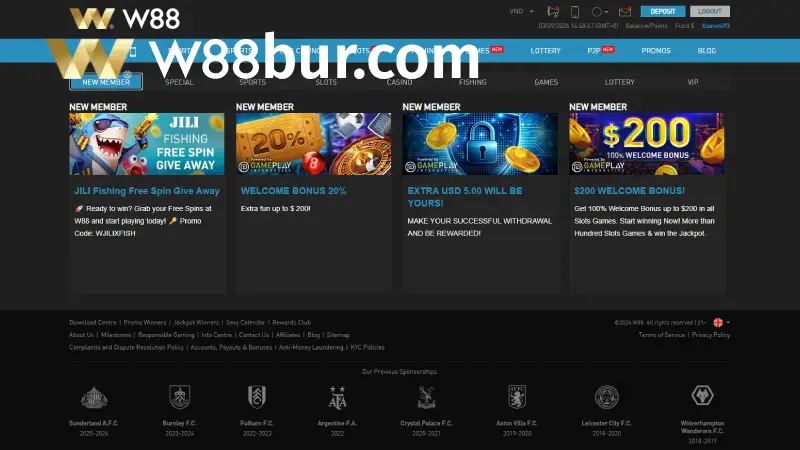
W88 promotion page provides information about promotional offers and their associated conditions. Visitors can review eligibility requirements, validity periods, and applicable restrictions before considering any offer. Understanding the complete terms is important because promotions may include specific conditions, wagering requirements, or withdrawal limitations.
Trust is an important part of successful social media communication. People generally want to understand why content appears in their feeds and whether the information is relevant to them.
When unrelated promo codes repeatedly appear in captions, audiences may begin to question the purpose of the posts. Some readers might assume that the account is using automated promotional messages or prioritizing advertising over meaningful communication.
This does not mean every promotional caption damages trust. Clear and relevant offers can help audiences discover useful products or services.
The problem is inconsistency. If an account usually shares personal stories but suddenly includes unrelated codes, the change can feel confusing.
Creators can avoid this issue by separating personal storytelling from promotional campaigns or explaining the connection between the story and the offer.
Transparency helps readers understand the content and decide whether the promotion interests them.
The Importance of Context and Relevance
Context determines whether a caption feels natural. A well-written caption supports the image or video, provides useful information, and matches the expectations of the intended audience.
Consider two examples involving a photograph of a neighborhood café.
A local storytelling caption might describe the café’s welcoming atmosphere, the smell of freshly prepared coffee, and why the location has become a favorite meeting place.
A promotional caption might announce a discount code for customers visiting the café during a weekend event.
Both approaches can work because they relate directly to the subject.
However, adding a random code for an unrelated online service would introduce unnecessary confusion.
Before publishing a caption, creators should ask whether every sentence contributes to the post. If a promotional message does not fit, it may be better placed in a separate advertisement or dedicated promotional update.
Local Stories and Social Media Engagement
Engagement includes comments, shares, saves, reactions, and other interactions with social media content. While no caption guarantees engagement, relevant storytelling can give readers more reasons to participate.
Local stories often encourage conversation because they refer to shared experiences. A question about a neighborhood’s best street food, a memorable community event, or a familiar public place can invite followers to contribute their opinions.
For example, a creator might share a photograph of a local park and ask followers to describe their favorite memories of the location.
This gives the audience a clear opportunity to respond.
Random promotional codes usually serve a different purpose. Their primary function is to communicate an offer or encourage a specific action, such as visiting a website or using a discount.
Promotions may attract attention when the offer is relevant, but they should not be treated as a replacement for meaningful audience interaction.
The most suitable caption depends on the goal of the post.
When Promotional Codes Make Sense
Promotional codes can be valuable when they provide a genuine benefit and appear in the right context.
Businesses can use them to introduce new products, announce seasonal sales, reward loyal customers, or support special events. Influencers may also share clearly disclosed promotional offers when they have an appropriate relationship with a brand.
A good promotional caption should explain the offer, identify any important conditions, and tell readers how to use the code.
For example, a local bookstore might announce a weekend discount for customers attending a community reading event. The promotional message would connect naturally with the event and the audience.
Creators should avoid making unsupported claims about savings or hiding important restrictions. If a post contains sponsored content or an affiliate promotion, applicable disclosure requirements should also be followed.
When promotions are clear and relevant, they can complement storytelling instead of interrupting it.
Tips for Writing Better Social Media Captions
Creating effective captions does not require complicated language or lengthy explanations. A few practical habits can improve clarity and relevance.
Understand the audience: Consider the interests, location, and expectations of the people who will read the post.
Describe specific details: Mention recognizable places, activities, feelings, or observations that make the content distinctive.
Keep the message focused: Ensure that the caption supports the photograph, video, or announcement.
Use a natural tone: Write in a way that sounds appropriate for the account rather than copying generic promotional language.
Add questions when relevant: Invite readers to share experiences or opinions when conversation is one of the post’s goals.
Keep promotions transparent: Explain what an offer provides and include relevant conditions.
Review before publishing: Remove unrelated links, unnecessary codes, repetitive phrases, and information that distracts from the main message.
These practices help creators maintain a consistent voice while adapting captions to different types of content.
Choosing the Right Approach for Different Platforms
Different social media platforms support different communication styles. Instagram captions often accompany photographs, Reels, and visual stories, making personal observations and concise storytelling useful options.
Facebook posts can provide more space for community discussions, local announcements, and longer personal experiences. Short captions can also work well when the image communicates most of the message.
TikTok captions generally benefit from being direct and closely connected to the video. A brief local reference or relevant question may provide useful context without distracting viewers.
On professional platforms such as LinkedIn, local stories can highlight business experiences, community projects, and professional lessons. Promotional codes should appear only when they are appropriate to the subject and audience.
Regardless of the platform, creators should prioritize relevance over the number of keywords, links, or promotional elements included in a caption.
Measuring the Success of Your Captions
Creators can evaluate caption performance by comparing results with the goals of each post.
For storytelling content, useful measurements may include comments, shares, saves, and the quality of audience discussions. These indicators can help show whether a story resonates with readers.
For promotional posts, creators may examine link clicks, code redemptions, conversions, or other appropriate campaign measurements.
Comparisons should account for differences in audience size, content format, timing, and campaign objectives. A local story designed to encourage conversation should not be judged solely by the number of sales it generates.
Similarly, a promotional caption should be evaluated according to its intended purpose rather than its ability to produce personal comments.
Testing different caption styles can help creators identify which approaches work best for their particular audiences.
Conclusion
Local stories and random promo codes serve different purposes in social media captions. Local storytelling helps communicate personal experiences, highlight community connections, and encourage meaningful conversations. Promotional codes can provide practical benefits when they are relevant, transparent, and clearly explained.
The main difference is context. A caption should support the content rather than introduce unrelated information that distracts readers.
Creators and businesses can build stronger communication habits by understanding their audiences, using specific details, maintaining a consistent tone, and placing promotional messages where they make sense.
Ultimately, effective captions are not simply about attracting attention. They are about delivering a clear message, creating a positive reader experience, and giving people a genuine reason to engage with the content.