Financial technology has evolved rapidly over the past decade. What started as simple mobile banking apps has expanded into complex ecosystems that combine traditional money management with digital assets, rewards, and global payment capabilities. This evolution reflects a growing demand for flexibility in how people store, move, and use their money.
Today’s users expect more than a standard bank account. They want systems that can handle both conventional currencies and cryptocurrencies while maintaining the convenience of everyday payments.
From single accounts to financial ecosystems
Traditional banking models were built around a single account structure. A user opened one account, received a card, and handled most financial activities within that limited framework. While effective for basic needs, this approach struggles to support modern financial behavior.
People now interact with multiple forms of value. They might receive a salary through a European IBAN account, send SEPA transfers, make online purchases, and also maintain holdings in digital assets such as Bitcoin or stablecoins. Managing these activities through separate platforms can create unnecessary complexity.
Modern financial ecosystems aim to simplify this by bringing multiple services into one interface.
Multiwallet structures and financial organization
One concept gaining traction in fintech is the use of multiple wallets within a single account environment. Rather than keeping all funds in one balance, users can create wallets dedicated to specific purposes.
For example, one wallet might hold euros for daily expenses, while another stores digital assets. Additional wallets could be used for savings, travel funds, or online purchases. This structure helps individuals separate financial goals while still maintaining centralized oversight.
Multiwallet systems also make it easier to manage different currencies and assets without constantly transferring funds between external platforms.
Integrating cryptocurrency into everyday finance
Cryptocurrency adoption has grown significantly, but many users still prefer practical, easy-to-understand tools. Rather than interacting with complex exchanges, people increasingly want simple ways to buy, hold, and transfer digital assets alongside their regular funds.
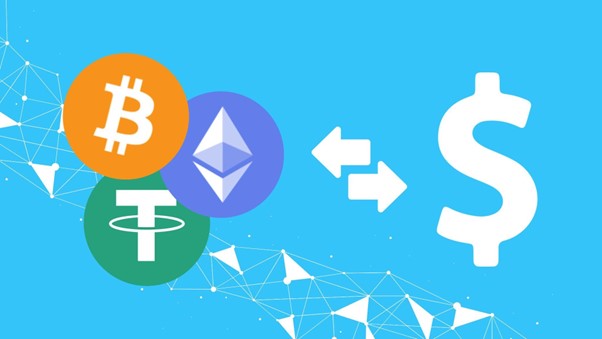
When crypto services are integrated into broader financial apps, users can manage assets like Bitcoin, Ethereum, or stablecoins directly within the same environment used for traditional payments. This reduces friction and helps normalize digital assets as part of everyday finance.
The ability to move between fiat and crypto within one system also allows users to explore digital assets without committing to multiple services.
Everyday payments still matter most
Despite the growth of new financial technologies, everyday payment tools remain central to the user experience. Cards continue to be widely used for in-store purchases, online shopping, and subscription payments.
Mobile payment solutions such as Apple Pay have further simplified transactions by allowing users to pay directly with their smartphones or smartwatches. This combination of convenience and security has made contactless payments a standard expectation rather than an optional feature.
High withdrawal limits, transparent fees, and reliable transfer options also play an important role in determining whether users trust a financial platform.
Security and regulatory oversight
With financial services expanding to include both fiat and crypto assets, security becomes increasingly important. Standards such as PCI DSS ensure card payments are processed securely, while technologies like 3D Secure add additional protection for online purchases.
Information security frameworks and regulatory compliance also contribute to trust. Platforms operating under recognized financial authorities must follow strict guidelines related to data protection, financial transparency, and risk management.
These safeguards help users feel confident when storing or transferring money through digital financial services.
Rewards and incentives in modern finance
Another trend shaping financial apps is the integration of reward systems. Cashback on purchases and loyalty incentives encourage regular engagement while giving users tangible benefits from everyday spending.
These programs are often linked to card transactions or account balances, turning routine financial activity into opportunities for small but meaningful returns.
A more unified financial experience
The biggest shift in personal finance is not any single feature, but the integration of many services into a cohesive environment. When transfers, digital assets, payments, and rewards coexist in one platform, users gain greater visibility and control over their finances.
Solutions like blackcat reflect this broader transition toward unified finance, where traditional banking capabilities and modern financial tools operate together. As technology continues to advance, this hybrid model is likely to shape how people interact with money in the years ahead.