
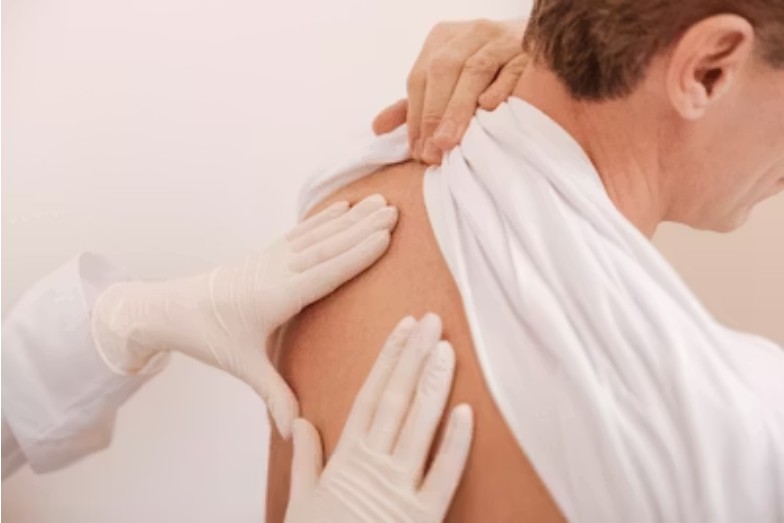
Rotator cuff injuries are one of the most common causes of shoulder pain, especially for active adults and older individuals. In Florida, where outdoor activity is part of daily life, many people are now exploring newer treatment options beyond surgery.
If you’ve been dealing with lingering shoulder pain, you may have come across stem cell therapy as a possible solution. It’s not a cure-all, but for the right person, it can be a meaningful option worth understanding.
What Is a Rotator Cuff Injury?
The rotator cuff is a group of muscles and tendons that stabilize your shoulder. Injuries can result from sudden trauma, such as a fall, or from gradual wear and tear.
Common symptoms include:
- Shoulder pain, especially when lifting or reaching
- Weakness in the arm
- Trouble sleeping on the affected side
- Limited range of motion
Some injuries heal with rest and physical therapy, but others can persist and interfere with everyday tasks.
How Stem Cell Therapy Works
Stem cell therapy uses your body’s own cells to support healing. These cells are typically taken from bone marrow or fat tissue and then injected into the injured area.
The idea is simple:
- Stem cells may help reduce inflammation
- They can support tissue repair
- They may improve overall function over time
It’s important to understand that results vary. This approach is still being studied, and outcomes depend on factors like the severity of the injury and overall health.
Who Might Be a Good Candidate?
Not everyone with a rotator cuff injury is a good fit for stem cell therapy. Doctors usually consider it for people who:
- Have partial tears rather than complete ruptures
- Haven’t improved with physical therapy or medications
- Want to avoid or delay surgery
- Are in generally good health
Age alone doesn’t rule someone out, but the condition of the tissue matters. A full evaluation by a qualified provider is necessary before making a decision.
What to Expect From Treatment
The procedure is usually done on an outpatient basis. After the stem cells are collected and prepared, they’re injected into the shoulder using imaging guidance.
Recovery is typically gradual. Patients may notice:
- Reduced pain over several weeks
- Improved movement and strength
- A need for follow-up physical therapy
There’s usually less downtime than with surgery, but patience is key. Healing doesn’t happen overnight.
Finding Care in Florida
Florida has become a hub for regenerative treatments, including stem cell therapy. If you’ve searched for stem cell therapy near me, you’ve likely seen a range of clinics offering different approaches.
When choosing a provider, consider:
- Their experience with orthopedic conditions
- Whether they use imaging guidance for injections
- Clear explanations of risks and expected outcomes
It’s also helpful to ask about follow-up care and how progress will be tracked.
Why Location Can Matter
Access to experienced specialists can influence your results. Clinics specializing in Florida stem cells often have greater familiarity with treating active populations, including athletes and retirees who want to stay mobile.
That said, quality varies from clinic to clinic. Taking the time to research and ask questions can make a big difference in your experience.
Risks and Considerations
While generally considered low-risk, stem cell therapy isn’t without concerns.
Possible considerations include:
- Limited long-term research
- Out-of-pocket costs in many cases
- No guaranteed results
A balanced conversation with a medical professional can help you weigh these factors against other treatment options.
When to Consider Other Options
Stem cell therapy is just one tool. In some cases, traditional treatments may still be the better choice.
You might explore alternatives if:
- The tear is severe or complete
- Pain is rapidly worsening
- There’s a significant loss of function
Physical therapy, medications, or surgery may still play an important role depending on your situation.