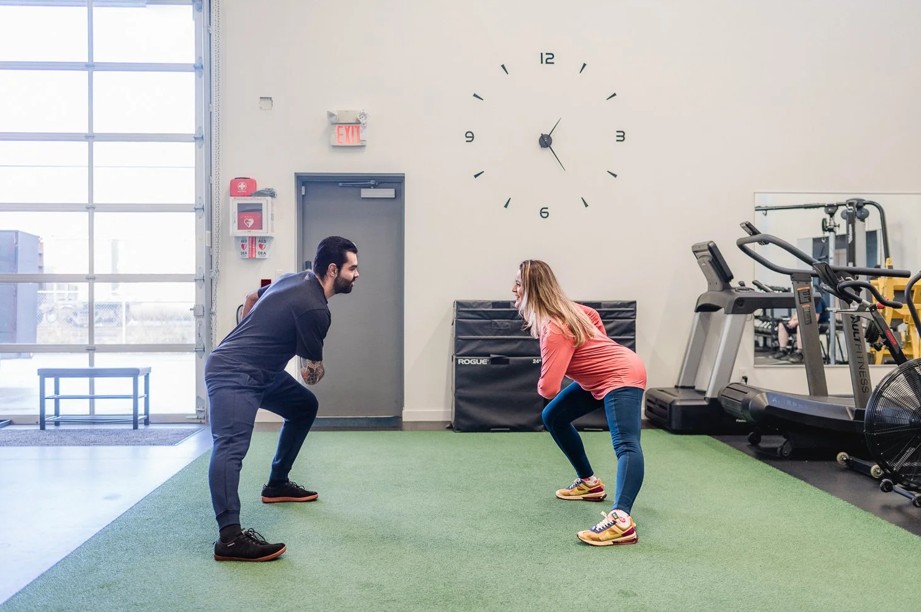
Functional fitness focuses on exercises that mimic real-life movements, helping people maintain strength, balance, and coordination in daily routines. This approach supports independence and reduces the risk of injury, especially as individuals age or recover from physical limitations.
Understanding Functional Fitness
Functional fitness training emphasizes movements that engage multiple muscle groups simultaneously. Instead of isolating muscles, it encourages the body to work as a coordinated system. Activities like squatting, reaching, and lifting are practiced in ways that reflect natural daily actions.
By strengthening core stability and improving flexibility, functional exercises enhance mobility and endurance. Whether it is carrying groceries, climbing stairs, or bending to pick something up, these movements become easier and safer with consistent training.
Why Functional Fitness Matters for Older Adults
As people grow older, maintaining muscle mass and joint flexibility becomes increasingly important. A personal trainer for the elderly can design programs that address individual needs and limitations, focusing on safe, progressive improvement.
Functional training supports balance and coordination, which helps prevent falls and related injuries. It also contributes to better posture and joint alignment, reducing discomfort during everyday tasks. Improved stamina allows older adults to stay active for longer periods without fatigue.
Common Functional Exercises
Many functional fitness routines incorporate simple, adaptable movements that require minimal equipment. Examples include:
- Bodyweight squats for leg and core strength
- Step-ups to improve balance and coordination
- Lunges to enhance mobility and stability
- Resistance band pulls to strengthen back and shoulder muscles
- Planks for overall core endurance
Each exercise can be modified to match a person’s fitness level, ensuring safety and gradual progress. A structured program often combines strength, flexibility, and balance training for well-rounded benefits.
Role of Professional Guidance
Working with physical trainers for seniors helps ensure exercises are performed correctly and safely. Professionals can identify mobility challenges, adjust techniques, and monitor progress over time. This personalized attention builds confidence and encourages consistency.
Guided sessions also teach proper breathing and body alignment, which enhances effectiveness and reduces strain. Trainers often integrate gentle cardiovascular work with resistance exercises, promoting overall wellness without overexertion.
Long-Term Benefits of Functional Fitness
Regular functional training contributes to lasting improvements in quality of life. Enhanced balance reduces fall risk, while stronger muscles protect joints and bones. Improved flexibility allows for smoother, more controlled movement during daily activities.
Functional fitness also supports mental well-being by encouraging active living and self-sufficiency. The combination of physical strength, coordination, and confidence helps individuals maintain independence and enjoy a greater sense of vitality throughout life.