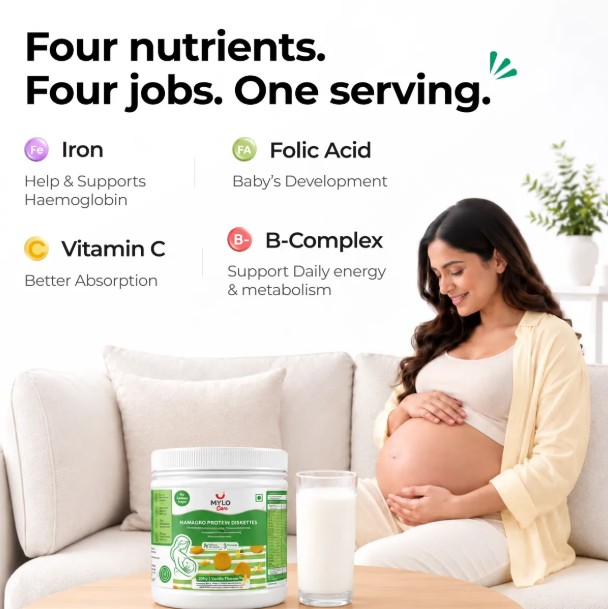
Pregnancy can change the way a woman thinks about food. A meal that once felt satisfying may suddenly seem too heavy, while hunger can return between meals. This is where convenient pregnancy protein biscuits can sometimes fit into a balanced eating routine. When chosen thoughtfully, a suitable snack can provide useful nutrients and energy without replacing the variety that comes from regular meals.
The Changing Need For Convenient Nutrition
Pregnancy brings gradual changes to energy and nutrient requirements. At the same time, nausea, changing appetite, busy schedules, and smaller meal patterns can make regular eating more challenging.
A convenient snack can help bridge the gap between meals. However, convenience should not become the main measure of nutritional value. Pregnant women still need a varied diet containing vegetables, fruits, whole grains, pulses, dairy or suitable alternatives, healthy fats, and protein sources.
Snacks work best when they complement this wider eating pattern rather than attempting to provide everything the body needs.
Where Protein Fits Into Pregnancy
Protein supports normal growth and development and is an important part of a pregnancy diet. It can come from foods such as eggs, dairy products, lentils, beans, nuts, seeds, fish, poultry, and other suitable sources.
For women who struggle to include enough protein through regular meals, a convenient protein-containing snack may be useful. Protein biscuits during pregnancy can be considered as one option, depending on their ingredients and an individual’s dietary needs.
The important point is to look at the complete diet. A biscuit should supplement meals rather than become a replacement for protein-rich whole foods.
Reading The Ingredient List Carefully
The front of a food package may highlight protein, vitamins, or other nutritional features, but the ingredient list provides more useful detail.
Pregnant women can look at the protein content, serving size, added sugars, fats, allergens, and other ingredients before deciding whether a product fits their diet. Portion size also matters because eating several servings can significantly change the total nutritional intake.
This kind of label reading helps turn snack selection into an informed choice rather than a decision based only on advertising.
Balancing Taste With Nutritional Value
Food preferences can change significantly during pregnancy. Some days may bring strong cravings, while other days may make familiar foods less appealing.
Taste therefore matters because a nutritious snack is unlikely to be useful if a woman does not enjoy eating it. At the same time, a pleasant taste should be considered alongside nutritional value.
A balanced snack can be particularly useful between meals when hunger appears but a full meal is not practical. Pairing a biscuit with milk, yogurt, fruit, or another suitable food may also create a more satisfying snack depending on individual dietary needs.
Portion Size Still Matters
Even nutrient-containing snacks need to fit within an overall eating pattern. Portion size can influence calories, carbohydrates, sugars, fats, and other nutrients consumed throughout the day.
Rather than eating directly from a large packet, following the recommended serving size can make intake easier to monitor. This is especially helpful when snacks become a regular part of the daily routine.
The goal is not to avoid snacks but to understand how they fit alongside breakfast, lunch, dinner, and other foods.
Managing Snacks Around Pregnancy Symptoms
Nausea and changes in appetite can make eating patterns unpredictable. Some women may find that smaller meals and snacks are easier to manage than three large meals.
A simple, convenient snack may be useful during these periods, particularly when strong smells or heavy foods are difficult to tolerate. However, persistent vomiting, difficulty keeping food down, dehydration, or significant nutritional concerns should be discussed with a healthcare professional.
Food choices can support comfort, but they should not replace medical attention when pregnancy symptoms become concerning.
Choosing Products For Different Dietary Needs
Not every pregnancy snack is suitable for every woman. Dietary restrictions, food allergies, diabetes, intolerances, vegetarian or vegan preferences, and individual nutritional requirements can all influence product selection.
Checking allergen information is especially important when trying a new packaged food. Women who have been advised to follow a specific dietary plan should also consider whether a product fits within that recommendation.
For those exploring Mylo protein biscuits, checking the nutritional information and ingredients can help determine how the product fits into an existing pregnancy diet.
Keeping Hydration In The Picture
Snacking is only one part of pregnancy nutrition. Hydration remains important as well, and water should remain a regular part of the daily routine.
It can be easy to focus heavily on food when thinking about nutrition and overlook fluid intake. Keeping water accessible throughout the day can make regular hydration more manageable.
Other drinks and foods may contribute to overall fluid intake, but individual needs can vary. Women should follow the advice of their healthcare professional if they have been given specific recommendations about fluid consumption.
Connecting Nutrition With Pregnancy Tracking- Mylo Pregnancy & Parenting App
Pregnancy involves more than monitoring food intake. Women may also keep track of appointments, pregnancy milestones, changing symptoms, physical changes, and preparation for childbirth.
Digital resources can help organize some of this information. The Mylo Pregnancy & Parenting App can provide general tools and resources for following pregnancy milestones and accessing useful information, making it easier to keep pregnancy-related details organized in one place.
Such tools are useful for organization and general education, but they should not replace clinical assessments or personalized advice from a healthcare professional.
Building A Practical Pregnancy Food Routine
Good nutrition during pregnancy does not always require complicated meal planning. Simple habits can make everyday eating easier.
Planning a few convenient snacks, keeping nutritious foods available, checking labels, drinking enough water, and following professional dietary recommendations can create a manageable routine.
Women can also adjust their food choices as pregnancy progresses. Appetite, energy needs, symptoms, and preferences may change from one trimester to another, so flexibility is often more practical than following a rigid eating pattern.
Conclusion
Choosing a pregnancy snack involves more than checking whether it contains protein or a particular vitamin. Ingredients, portion size, dietary needs, taste, convenience, and the rest of the day’s meals all deserve consideration.
Packaged snacks can be useful when they fit naturally into a balanced diet. The key is to treat them as one part of pregnancy nutrition rather than a complete nutritional solution. A pregnancy tracker and calculator can also help organize important milestones and dates during this period.
For women and families looking for convenient pregnancy and parenting support, Mylo brings together relevant products and resources that can complement everyday preparation for motherhood.