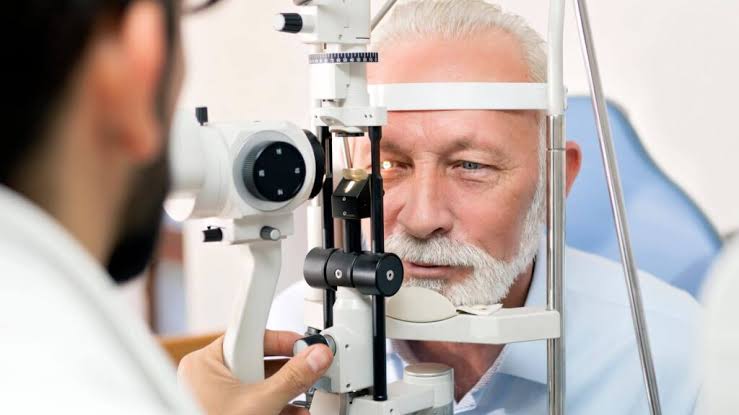
Silent eye diseases can develop quietly while vision still feels normal. Conditions affecting the retina, optic nerve or eye pressure may cause little discomfort at first, yet gradual damage can continue unnoticed.
Early assessment gives doctors a valuable chance to spot small changes before they begin affecting daily life. Timely check-ups play an important role in protecting sight and guiding suitable care when treatment or closer observation becomes necessary.
Find out how careful examinations and modern tests uncover hidden eye conditions early.
Detecting Silent Eye Diseases through a Comprehensive Eye Examination
During a comprehensive examination, an eye specialist studies more than reading ability alone. The assessment may reveal subtle early changes that deserve further attention and prompt investigation.
- Vision clarity and focusing response
- Eye pressure and front-eye health
- Medical history, medicines and current symptoms
Using Dilated Eye Tests to Identify Hidden Eye Conditions
A dilated eye test widens the pupils so an ophthalmologist can view structures at the back of the eye clearly. This eye care step may uncover changes that remain invisible during a vision check.
- Retinal blood vessel changes
- Optic nerve damage
- Early macular abnormalities
Performing Advanced Diagnostic Tests for Early Detection
When routine findings raise concern, an eye doctor may recommend specialised tests. An experienced eye surgeon can interpret detailed results and decide whether further careful monitoring or timely treatment is needed.
- Optical coherence tomography
- Visual field testing
- Retinal photography and eye pressure measurement
Evaluating the Optic Nerve and Retina for Early Signs of Disease
The optic nerve and retina often show early physical signs before noticeable sight changes appear. Careful evaluation across both eyes helps identify swelling, thinning, bleeding or unusual deposits.
- Optic nerve shape and colour
- Retinal layers and blood vessels
- Central and peripheral retinal health
Monitoring High-Risk Individuals with Regular Eye Screenings
People with diabetes, high blood pressure, a family history of eye disease, or increasing age may need closer observation. Regular screening allows doctors to compare findings over time for better context.
- Scheduled follow-up examinations
- Review of health changes
- Tracking of pressure, retina and vision
Combining Clinical Expertise and Diagnostic Technology for Accurate Early Diagnosis
Technology provides detailed images and measurements, but clinical judgement gives those findings meaning. By considering symptoms, health history and test patterns together in each case, specialists can avoid rushed conclusions.
- Careful comparison of results
- Repeat testing when required
- Personalised advice for follow-up care
Conclusion
Silent eye diseases can progress without clear warning signs. Regular eye check-ups help detect changes early, before they begin affecting vision or daily life. Timely diagnosis also allows an eye specialist to recommend the right care and reduce the risk of serious eye problems later. With screening, suitable diagnostic tests and careful follow-up, eye specialists can recognise concerns earlier, explain the findings and support timely decisions that may help preserve their vision for the years ahead.
FAQs
1. Can silent eye diseases develop without warning signs?
Yes, some conditions affect the retina, optic nerve or eye pressure without causing pain or noticeable vision changes. An eye check-up may reveal them early.
2. Who should be screened regularly for silent eye diseases?
People with diabetes, high blood pressure, a family history of eye disease or age-related risks may need closer monitoring. An eye specialist can recommend a schedule.
3. Which tests help detect hidden eye conditions?
Dilated eye tests, retinal imaging, eye pressure checks and visual field tests can identify early changes that may be missed during a basic vision test.