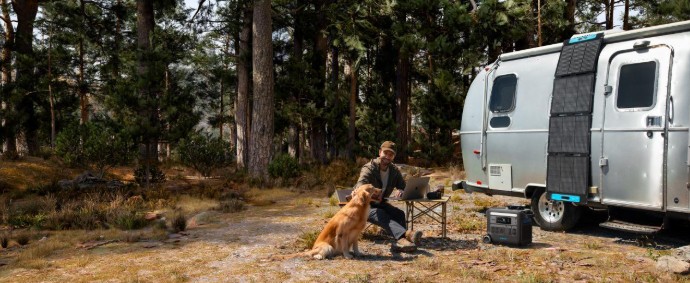
Placement plays a crucial role in determining how much energy solar panels can produce. Even the most advanced panels will underperform if they are not positioned correctly. Understanding direction, tilt, shade, and temperature effects can dramatically increase the electricity generated. Both rooftop and portable solar systems benefit from careful planning, making energy use more efficient and cost-effective. Simple adjustments, like changing the panel angle or moving portable units, can have measurable results in everyday use. In this article, practical tips for improving solar panel efficiency through proper placement will be explored in detail.
1. Face the Right Direction
South-Facing Captures the Most Sun
Panels oriented toward the south generally receive the most sunlight throughout the day in the northern hemisphere. This exposure maximizes energy capture and ensures more consistent output for both household and mobile needs. South-facing placement is particularly important for fixed installations, where repositioning is difficult. Even a small deviation from true south can slightly reduce energy production, though modern panels are forgiving. Solar powered outlet systems also benefit from optimal orientation, as they rely on consistent sunlight to charge devices efficiently. Correct alignment from the start can prevent wasted energy and improve overall system performance.
East and West Work But Produce Less
Panels facing east or west can still generate energy, but their peak output occurs only during morning or late afternoon. This can be suitable for households that use electricity heavily during those times. Energy generation may be lower compared with south-facing panels, but east-west setups are often chosen when roof design or space limits ideal placement. Understanding daily usage patterns can help determine whether this compromise is acceptable. Even portable solar panels, when oriented east or west, will deliver reasonable performance for charging small devices. While not optimal, these positions are better than facing north or leaving panels shaded.
2. Get the Tilt Angle Right
The tilt angle determines how directly sunlight strikes the panels. Too shallow an angle reduces exposure, while too steep an angle can catch less direct sunlight during parts of the day. Seasonal adjustments can be beneficial, though permanent installations often use an angle close to the latitude of the location. Ground-mounted systems allow more flexibility for fine-tuning tilt compared with rooftop setups. Proper tilt enhances efficiency without requiring expensive technology upgrades. Even portable panels can benefit from slight angle adjustments to capture sunlight more effectively during the day.
3. Avoid Shade at All Costs
Even small shadows from trees, chimneys, or neighboring buildings can drastically reduce solar panel output. Shade creates hotspots, which decrease efficiency and may harm panel longevity over time. Strategic placement and trimming nearby foliage are practical ways to maintain consistent performance. For portable panels, relocating to a sunny spot every few hours can prevent shading problems. Consistently keeping panels free of shadows ensures maximum energy capture in everyday use.
4. Consider Roof vs. Ground Mount
Roof Saves Space But Limits Angle
Rooftop installations are convenient and save valuable ground space, making them ideal for urban or smaller properties. However, roof shape, pitch, and orientation can limit the ability to achieve the perfect tilt or sun-facing direction. Fixed angles may reduce peak performance, though the overall convenience often outweighs minor losses. Panels on roofs are also more secure and protected from accidental damage. Incorporating solar powered outlet options on roof systems allows residents to directly power electronics without complex wiring. For many households, rooftop panels offer a practical balance between efficiency and usability.
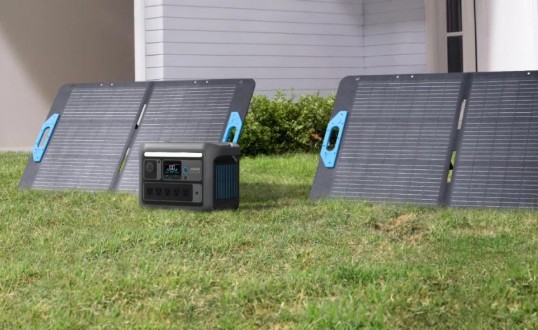
Ground Mounts Allow Perfect Placement
Ground-mounted panels provide freedom to position at the ideal angle and direction for maximum sunlight exposure. This flexibility can significantly boost efficiency, especially in areas where rooftops are unsuitable. They can also be spaced to avoid shading from nearby structures or trees. Repositioning panels seasonally or using tracking systems enhances energy capture throughout the year. Even portable units can mimic some advantages of ground mounts by adjusting placement daily. For those who value optimal performance and adaptability, ground-mounted or easily movable setups offer clear benefits, and products like Anker solar panels naturally fit into these flexible arrangements, combining portability with efficient design.
5. Mind the Temperature
Solar panels are affected by ambient temperature; higher temperatures can reduce efficiency even under full sunlight. Modern panels are designed to withstand temperature variations, but excessive heat can still slightly lower output. Ventilation under panels, reflective surfaces, or heat-resistant mounting materials can help mitigate these effects. Awareness of temperature impacts is particularly relevant for panels installed on dark roofs or in hot climates. Portable panels also benefit from being raised off hot surfaces to maintain cooler operating conditions. Managing temperature effects ensures consistent performance for both stationary and mobile solar setups.
6. For Portable Panels: Move With the Sun
Reposition Throughout the Day
Portable solar panels benefit from frequent repositioning to follow the sun’s path. Small adjustments every couple of hours can significantly increase the total energy captured. Users can optimize placement on balconies, patios, or campgrounds without permanent installations. Repositioning is simple with lightweight, foldable designs that allow easy handling. Tracking sunlight manually provides noticeable efficiency improvements without complex tracking systems.
Face Directly Toward the Sun
Aligning panels to face the sun directly ensures that maximum sunlight hits the cells. Even a slight misalignment can reduce efficiency, especially during peak daylight hours. Portable systems allow easy adjustments to achieve the best angle, making them ideal for travel, camping, or temporary setups. Products like Anker solar panels offer practical advantages here, with efficient design and built-in outlets that simplify powering devices while following the sun. Maintaining a direct line to sunlight helps ensure consistent energy generation throughout the day. This approach brings portable solar power closer to the performance of permanent installations. Correct orientation is one of the simplest ways to boost output in everyday scenarios.
Maximizing the energy harvest from a residential or commercial PV system involves more than just selecting high-grade modules. Homeowners should also focus on the precision of the initial setup, ensuring that the tilt and orientation align with local geographic data for year-round performance. Seeking technical guidance from experienced professionals like North Valley Solar Power can help in identifying the specific irradiance patterns and potential shading obstacles unique to your property. By refining these structural elements, you minimize resistive losses and ensure that your investment captures the widest possible portion of the solar spectrum. This proactive approach to system design is essential for maintaining consistent output and achieving a sustainable, high-efficiency energy solution.
Conclusion
Optimizing solar panel placement is as important as choosing the right panels themselves. Direction, tilt, shade avoidance, and temperature management all contribute to energy efficiency. Ground or rooftop setups have distinct advantages, while portable panels benefit from flexibility and solar powered outlet integration. Regular repositioning and alignment with the sun further enhance performance for mobile users. Practical attention to these factors allows households to maximize electricity generation from solar technology. Applying these placement strategies ensures that both fixed and portable solar panels provide reliable, efficient energy in daily life.