Reliable power keeps contemporary homes safe, productive, and pleasant. Power outages, voltage spikes, and equipment failures may all disrupt everyday activities and harm pricey items. Homeowners who invest in whole-house power security mitigate these hazards and have better control over energy stability. Protection entails more than just a backup source. It comprises surge protection, correct panel design, intelligent load control, and detailed emergency preparation. Each layer increases your home’s resilience to grid outages and extreme weather. This article discusses the fundamental mechanisms that secure your power supply and provides actionable strategies to increase safety, dependability, and long-term performance.
What Systems Protect Your Home’s Power Supply?
Whole Home Backup Power Systems (Battery and Generator)
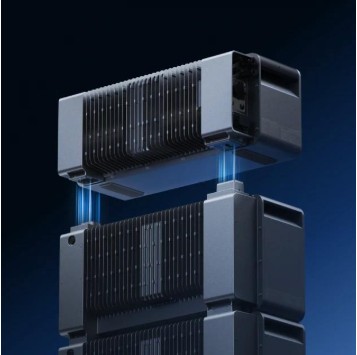
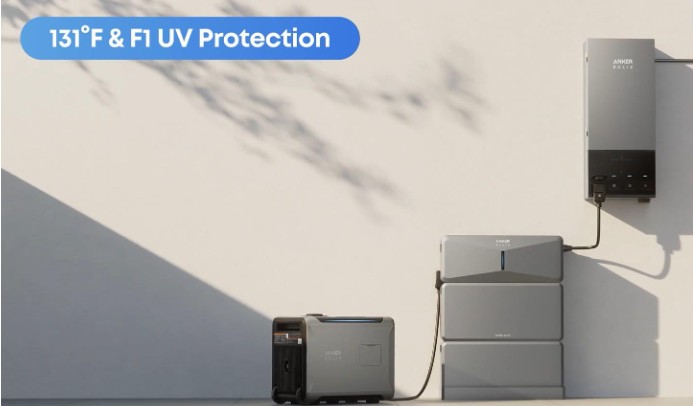
In the event of a grid failure, whole-house backup systems supply energy. During blackouts, battery systems provide immediate electricity by storing energy from solar panels or the grid. They don’t emit any direct pollutants and run silently. Fuels like natural gas, propane, or diesel are used in generators to produce power. So long as there is fuel, they can operate continually. An automated transfer switch connects both systems to your house, enabling smooth power restoration. Fuel availability, load size, and runtime requirements all influence the best choice. Installing a backup system of the right size is the first step towards securing the entire house.
Surge Protection and Electrical Panel Safeguards
Lightning strikes, grid switching, and equipment failures can all result in power surges. Sensitive electronics, HVAC systems, and appliances can all be harmed by these abrupt voltage surges. Surge protectors for the entire house are installed directly at the main electrical panel and securely redirect excess energy to earth. Circuit breakers and appropriate grounding systems are additional panel safety features. These elements work together to avoid overload and lower the danger of fire. Homeowners should confirm that their panel satisfies contemporary energy demands and complies with current electrical code standards. By adding surge protection, valuable equipment is shielded from unforeseen electrical disruptions and overall power security is strengthened.
Automatic Transfer Switches and Smart Load Management
When the grid fails, automatic transfer switches quickly convert your house to backup power. To guarantee safe operation and stop hazardous backfeed, they separate the utility connection. Another level of control is added by intelligent load management systems. These systems automatically prioritise critical circuits and keep an eye on energy use. They briefly cut off electricity to non-essential appliances during periods of heavy demand. This method prolongs backup runtime and avoids overload. Intelligent load control combined with transfer switches produces a responsive, reliable system. Smoother transitions and improved control over energy distribution during crises or periods of peak use are advantageous to homeowners.
How Do You Strengthen Whole Home Power Security?
Routine Maintenance and System Monitoring
Regular maintenance keeps your whole home battery backup and other power systems reliable. Homeowners should evaluate their entire home’s battery backup, electrical panels, and surge protectors on a regular basis. Inspect connections for symptoms of corrosion or overheating. Schedule expert inspections at least once a year to ensure that the entire house battery backup system and related components are operating safely. Use monitoring applications or system dashboards to keep track of energy flow, voltage levels, and alarms. Early diagnosis of abnormal performance avoids costly repairs and minimises downtime. Consistent monitoring and maintenance guarantee that your entire home battery backup runs smoothly and responds appropriately during outages or electrical interruptions.
Fire Safety, Ventilation, and Installation Best Practices
Proper placement considerably increases safety. Place batteries or generators in places with good ventilation and structural support. Maintain the necessary clearance from walls and combustible items. Install clearly labelled and easily accessible disconnect switches. To reduce carbon monoxide accumulation in generators, route exhaust away from windows and doors. Ensure that the grounding and wiring fulfil the local code standards. Professional installation decreases the danger of fires and electrical issues. Smoke detectors installed near equipment areas provide additional protection. Following standard practices during installation protects people and equipment while also ensuring long-term system dependability and performance.
Emergency Preparedness and Outage Response Planning
A well-defined emergency plan is a component of robust power security. During outages, identify the most important appliances and give them priority. Instruct family members on how to find disconnect switches and comprehend system notifications. Have service providers’ contact details close at hand. Keep necessary supplies, charged power banks, and flashlights in easily accessible places. Evaluate outage protocols every year and revise them in response to equipment modifications. Notify your electricity provider and have a set energy buffer if your house depends on medical equipment. In actual crises, being prepared lowers stress and speeds up reaction times. Your power security systems will provide efficient protection when it’s most required if you have a well-practised plan.
Conclusion
Layered protection and prudent administration are necessary for whole-house power security. While sophisticated controls and surge protection guard against harm from electrical instability, backup systems supply energy during blackouts. System dependability is strengthened by appropriate installation and routine maintenance. Planning for emergencies guarantees that your family will react with assurance to any setbacks. By combining these components, homeowners may create a safe and resilient energy environment. Purchasing complete protection lowers downtime, protects family safety, and safeguards appliances. Whole-house power security may become a reliable defence against unplanned power outages and grid instability with careful design and continuous maintenance.