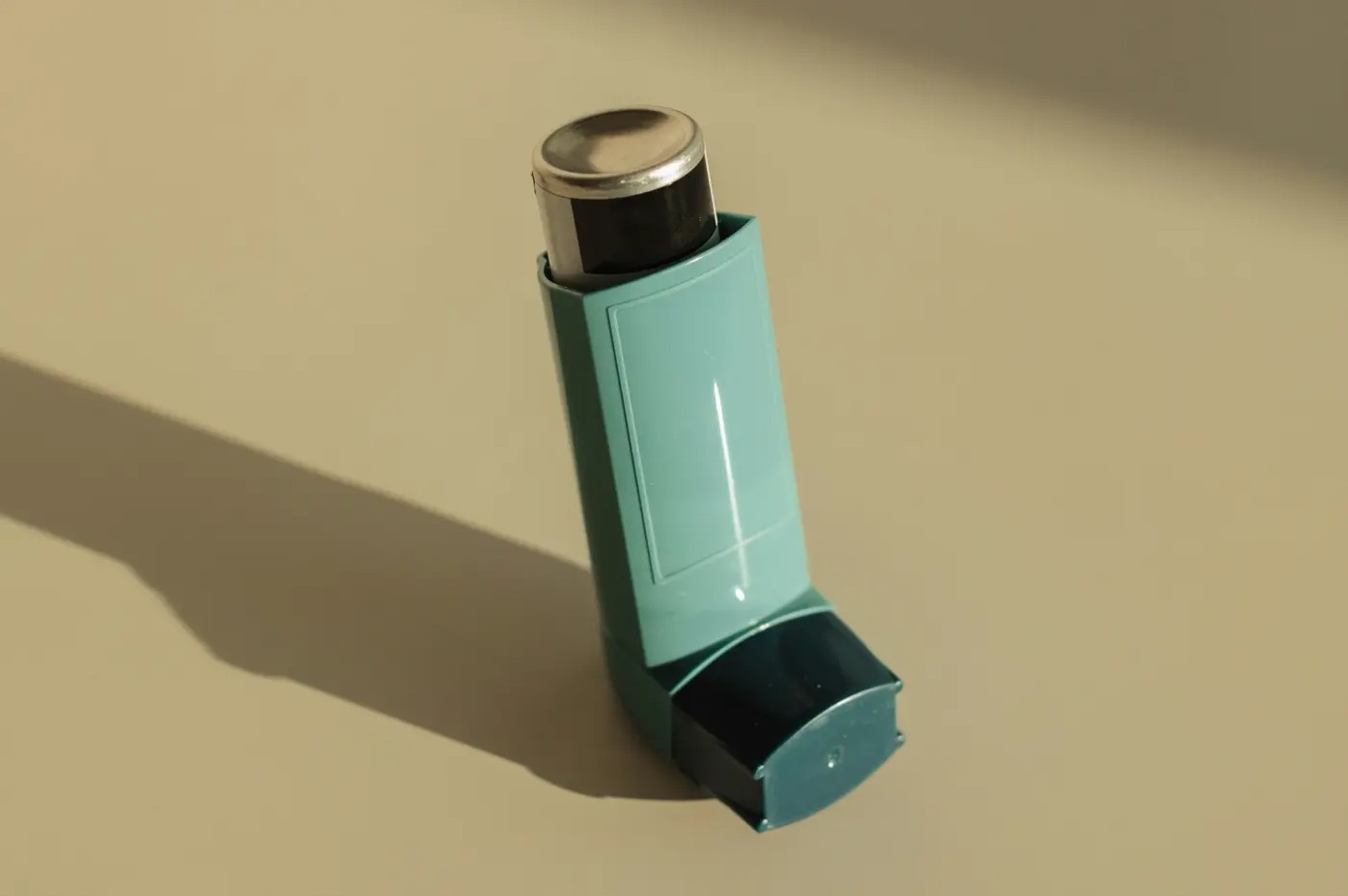
Respiratory health often takes a back seat until difficulty in breathing becomes impossible to ignore. In India, where urban air quality frequently dips into the “poor” or “severe” range, conditions such as asthma, allergic bronchitis, and chronic obstructive pulmonary disease (COPD) have become increasingly common. Inhalers such as Ventolin, Seroflo and Budecort provide targeted relief by delivering medication directly to the lungs. However, correct inhaler selection and proper technique are just as important as the medicine itself. Pharmacists play a vital role in ensuring patients use their inhalers effectively, safely, and confidently.
Understanding How Inhalers Work
Unlike tablets or syrups that act systemically, inhalers deliver medicine straight to the airways, where it’s needed most. This localised action allows for smaller doses and fewer side effects. Inhalers fall broadly into three types: relievers, preventers, and combination therapies.
- Relievers (e.g., Ventolin): Provide quick relief during an asthma attack by relaxing airway muscles, buy Ventolin online.
- Preventers (e.g., Budecort): Contain corticosteroids that reduce inflammation over time and prevent flare-ups, buy Budcort online.
- Combination inhalers (e.g., Seroflo): Blend a bronchodilator and a corticosteroid, offering both immediate and long-term control, buy Seroflo online.
Each type serves a distinct purpose, and patients should never substitute one for another without professional advice.
Choosing the Right Inhaler
Selecting the correct inhaler depends on the condition’s severity, symptom frequency, and patient profile. For example:
- Ventolin Inhaler (Salbutamol 100 mcg) is a short-acting β₂ agonist used for sudden breathlessness. It acts within minutes and lasts up to 4 hours. Ideal as a “rescue inhaler.”
- Seroflo Inhaler (Salmeterol + Fluticasone) combines a long-acting bronchodilator with an anti-inflammatory steroid. It is used for maintenance therapy in moderate-to-severe asthma and COPD.
- Budecort Inhaler (Budesonide) is a corticosteroid preventer used daily to reduce airway inflammation and prevent future attacks.
Pharmacists should counsel patients never to rely solely on Ventolin for chronic asthma. If Ventolin is needed more than twice a week, the condition likely requires preventive therapy such as Budecort or Seroflo under a doctor’s guidance.
Mastering Proper Inhaler Technique
Even the most effective inhaler fails if used incorrectly — and studies show over 60 percent of patients do not use their inhalers properly. Pharmacist demonstration and follow-up are therefore essential.
To use a metered-dose inhaler correctly:
- Shake the inhaler well before each use.
- Breathe out fully to empty the lungs.
- Place the mouthpiece between the lips and close them firmly.
- As you begin to inhale slowly, press down on the canister once.
- Continue inhaling deeply, then hold your breath for about 10 seconds.
- Exhale slowly and replace the cap.
For steroid-containing inhalers such as Budecort or Seroflo, rinse the mouth with water afterward to prevent oral thrush or hoarseness. Using a spacer device can improve drug delivery and reduce side effects, especially for children or elderly patients who find coordination difficult.
Pharmacy Counselling Checklist
Pharmacists should ensure every patient understands these core points before leaving the counter:
- Differentiate between rescue and maintenance inhalers.
- Always keep a rescue inhaler (like Ventolin) within reach.
- Use preventer inhalers daily, even when asymptomatic.
- Clean inhaler mouthpieces weekly to prevent blockage.
- Avoid sharing inhalers between individuals.
This guidance helps prevent misuse, accidental overuse, and poor disease control.
Common Errors Patients Make
Despite regular prescriptions, several errors persist:
- Inhaling too quickly or too shallowly, preventing deep lung deposition.
- Skipping maintenance doses once symptoms improve.
- Forgetting to check remaining doses in the canister.
- Using expired inhalers or those exposed to high temperatures.
These mistakes often lead to increased hospital visits and worsening control. Pharmacist follow-ups during monthly refills can dramatically improve adherence and outcomes.
Side Effects and Precautions
Inhalers are generally safe when used as prescribed. However, mild side effects may occur:
- Ventolin: Tremors, palpitations, or nervousness if overused.
- Seroflo or Budecort: Mild throat irritation, hoarseness, or oral thrush.
To minimise issues:
- Rinse the mouth after every steroid inhaler use.
- Avoid using rescue inhalers more than prescribed.
- Consult a doctor if shaking or rapid heartbeat persists.
Patients with diabetes, hypertension, or cardiac issues should inform their physician before using combination inhalers.
Lifestyle and Environmental Support
Medication works best alongside lifestyle changes, particularly in India’s pollution-heavy climate. Patients should:
- Monitor daily AQI (Air Quality Index) and limit outdoor exposure on smoggy days.
- Use air purifiers indoors during winter.
- Practise breathing exercises and light yoga to strengthen lung capacity.
- Stay hydrated and maintain healthy body weight to ease breathing effort.
Cold weather can constrict airways, so covering the nose and mouth with a scarf outdoors helps. Avoid incense, strong perfumes, and mosquito coils that may trigger wheezing.
Seasonal Context: Why Proper Inhaler Use Matters Now
During North India’s winter months, stagnant air traps pollutants, raising fine particulate levels (PM 2.5). These particles irritate the airways and increase asthma attacks, COPD flare-ups, and breathlessness among the elderly. A correctly used inhaler can prevent emergency admissions and ensure symptom-free days despite high pollution. Pharmacists can tie inhaler education campaigns to this seasonal reality, positioning inhaler training as preventive health care, not just crisis management.
Pharmacy’s Role in Inhaler Education
Pharmacies are often where patients collect refills without seeing their doctor regularly. By spending just two minutes checking inhaler technique, pharmacists can drastically reduce treatment failures. Apollo Pharmacy, through its network and trained staff, has championed asthma education programmes and inhaler-use demonstrations across major Indian cities. Pharmacist-led education is a sustainable model that complements physician care and empowers patients to self-manage chronic conditions responsibly.
Pharmacists can also encourage patients to keep a symptom diary noting frequency of rescue inhaler use, night-time symptoms, and peak-flow readings if applicable. Such records help doctors fine-tune therapy and detect early deterioration.
When to Seek Medical Help
Patients should be advised to contact a doctor immediately if they:
- Require their rescue inhaler more than twice a week.
- Experience persistent chest tightness despite maintenance therapy.
- Have wheezing or coughing that worsens at night.
- Notice bluish lips or nails (signs of low oxygen).
Prompt escalation can prevent hospitalisation and long-term lung damage. Apollo 24|7 provides online consultation access for timely medical review.
Final Thoughts
For millions of Indians living with asthma or COPD, inhalers like Ventolin, Seroflo, and Budecort offer freedom from breathlessness when used correctly. Yet, technique errors and irregular use continue to compromise outcomes. Pharmacists are uniquely positioned to bridge this gap by reinforcing correct usage, clarifying the difference between relief and control medicines, and reminding patients that adherence, not dependence, defines good respiratory care.
With consistent pharmacist counselling, authentic products from Apollo Pharmacy, and awareness of environmental triggers, patients can enjoy improved control and quality of life — even amid India’s challenging pollution seasons.